

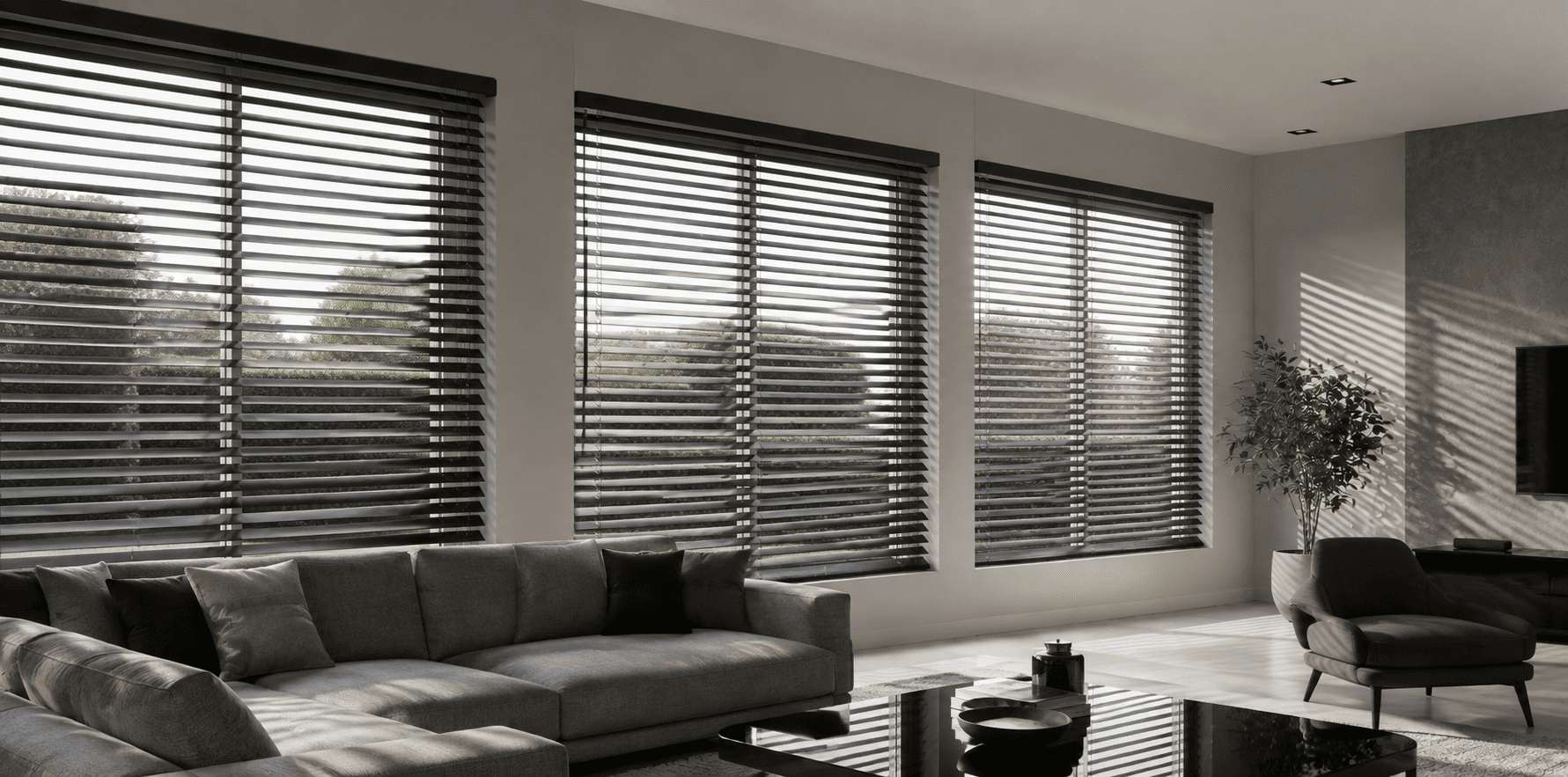
If you’re comparing aluminium venetian blinds with timber-look or fabric options, the material matters more than appearance alone. Aluminium blinds offer a practical combination of light control, privacy and easy maintenance, but that does not make them the right fit for every room or window. Factors such as moisture, sunlight, window size and the look you want to create can all influence the decision. This guide explains where blinds venetian aluminium options work well, where alternatives may suit better, and what to consider before choosing.
What makes aluminium venetian blinds different from other blinds?
Aluminium venetian blinds stand out because their design combines a slim profile with practical durability. The aluminium slats do not absorb moisture, making them less prone to the swelling or warping that can affect some moisture-sensitive materials. They also stack relatively neatly when raised, helping preserve the window’s clear opening.
Compared with fabric blinds, aluminium venetian blinds offer more direct control over light, privacy and airflow by adjusting the slat angle. This makes them a performance-focused option for kitchens, bathrooms, offices and other spaces where easy maintenance and precise control matter. For aluminium venetian blinds Perth homes, the choice can also suit rooms exposed to strong sunlight and everyday wear
Which rooms suit aluminium venetian blinds best?
Room fit is less about where aluminium venetian blinds look good and more about where their material and operation solve a practical problem. Aluminium handles moisture and everyday splashes without absorbing them, while its slim profile can work neatly on windows where space is limited. They also give you fine control over light without requiring the window to be fully covered.
Bathrooms, laundries and kitchens
Bathrooms, laundries and kitchens expose window coverings to steam, splashes and, particularly in kitchens, grease. Aluminium blinds are less affected by these conditions than absorbent fabric, while timber-look options may require more care around prolonged moisture. They can therefore make sense where easy cleaning and moisture tolerance matter.
Small, narrow and awkward windows
Slim slats and a relatively compact stack can be useful on highlight windows, narrow openings and windows positioned above kitchen benches. Where every centimetre matters, blinds venetian aluminium can provide adjustable privacy and light control without visually or physically crowding the opening.
Home offices, studies and work spaces
For a home office, the advantage is control rather than simply blocking light. You can tilt the slats to redirect or reduce sunlight while retaining some daylight and an outside view. This can be useful when glare on a monitor changes throughout the day, particularly on sun-facing windows.
How do aluminium blinds handle Perth heat and sunlight?
Perth’s strong sun makes heat and glare important considerations when choosing window coverings. Aluminium venetian blinds can be useful because their slats allow you to adjust the angle of incoming light rather than simply opening or closing the blind.
- Heat and glare: Metal slats can reflect some sunlight, while tilting them changes how much direct light enters the room.
- Lighter finishes: Lighter colours generally absorb less solar energy than darker finishes, which can make them worth considering for sun-exposed windows.
- Colour stability: Strong, prolonged sunlight can affect finishes over time, so ask about the specific coating and expected performance before choosing a colour.
- Position matters: A carefully adjusted tilt can reduce glare while still allowing daylight and some outside visibility.
Aluminium venetians or EcoWood venetians - which should you choose?
Both can suit different parts of the home, so the choice comes down to whether practical performance or a warmer timber-look finish matters more; this EcoWood vs real timber venetians comparison can also help when appearance is a priority.
- Moisture: Aluminium venetian blinds are generally better suited to kitchens, laundries and bathrooms, where splashes and humidity are common.
- Appearance: EcoWood creates a softer, warmer look, while aluminium has a cleaner, more contemporary feel.
- Weight and sound: Aluminium is typically lighter and gives a more crisp, practical feel; EcoWood can feel more substantial.
- Cleaning and cost: Aluminium is straightforward to wipe clean and may suit a tighter budget, while EcoWood can offer a more premium visual finish.
Rule of thumb: Use aluminium where moisture and easy maintenance matter most; consider EcoWood for living areas and bedrooms where warmth and interior character carry more weight.
When aluminium venetian blinds are not the right choice
Aluminium venetian blinds are practical, but their strengths do not suit every room. If the priority is softness, deep darkness or reduced noise, another blind style may make more sense.
- Bedrooms: If you need stronger light blocking for sleep, consider blockout roller blinds or a layered window treatment rather than relying on slat adjustment alone.
- Media rooms: Where glare and darkness are critical, a dedicated blackout option can provide more consistent coverage.
- High-traffic areas: Slats can be damaged by rough handling, so consider a more forgiving material where windows are frequently knocked or operated.
- Formal living spaces: If you want a softer, warmer look, fabric or timber-look treatments may complement the room better than aluminium blinds.
The same applies when acoustic comfort is important. In these situations, compare the practical requirements first rather than choosing blinds venetian aluminium simply for their durability or clean lines.
What to check before ordering aluminium venetian blinds
A few decisions made before measuring can make a noticeable difference to how your aluminium venetian blinds look and operate. The key is to separate what needs a window-specific measurement from choices you can make in advance.
- Slat width: Consider venetian blind slat sizes and how much light, privacy and visual weight you want. The available options can depend on the blind system.
- Colour and finish: Choose these beforehand, particularly if you want the blinds to coordinate across several rooms.
- Control side: Decide whether the controls should sit on the left or right, based on furniture and access.
- Cord or wand: Your preferred operating method should be confirmed before ordering, and understanding the available blind operating mechanisms can make this decision easier.
- Inside or outside mount: This depends partly on the window recess and available space, so confirm it during the measure.
- Window measurements: These should be taken accurately for each opening rather than estimated.
For aluminium venetian blinds Perth homes, also consider which windows receive stronger sun when choosing finishes and colours.
FAQs
Aluminium can become warm when exposed to strong direct sunlight, but the blind’s position and slat angle affect how much heat and glare enter the room. Lighter finishes can help reflect more sunlight, while tilting the slats allows you to control glare without fully closing the window.
They can make some noise if the slats move against the window or each other, particularly when a window is left open in windy conditions. If noise is a concern, consider where the blind will be installed and how often the window is opened.
Yes. Aluminium is well suited to bathrooms because it does not absorb moisture like some natural materials. It can handle everyday humidity and occasional splashes, making it a practical option for bathroom windows when properly installed and maintained.
Aluminium slats can bend if they are hit, pulled or handled roughly, particularly on wider or lighter slats. However, normal adjustment and everyday operation should not cause damage. If the blind will be exposed to frequent knocks, consider how the window is used before choosing the slat style.
They can work particularly well on narrow, highlight and above-bench windows because the blind profile can remain relatively slim. Their adjustable slats also provide privacy and light control without requiring the entire window to be covered.
Yes, particularly where screen glare is an issue. You can tilt the slats to redirect incoming light and reduce reflections without completely blocking the window, giving you more control over daylight throughout the working day.
Quality finishes are designed for everyday exposure to sunlight, but prolonged and intense UV exposure can affect finishes over time. For strongly sun-exposed windows, ask about the finish’s suitability for the location and consider lighter colours where maintaining a consistent appearance is a priority.